The hum of the casino floor has changed over the past decade. Where once every spinner sat in isolation, ears plugged into the clatter of individual reels, newer setups let punters share the moment in real time. Gaming machines multiplayer features are reshaping how Australians engage with pokies, turning a solitary pastime into a shared experience that mirrors the way we already watch footy or grab a schooner at the local. The shift matters for operators and players alike, because it changes dwell time, engagement patterns, and the way venues design their floor layouts.
Sydney venues have been quick to trial networked cabinets that sync bonus rounds across neighbouring seats. You can spot the setup at major hubs like SkyCity, where the entertainment group has been expanding its digital offerings alongside live shows and dining. The idea is simple: when one machine hits a feature, nearby players get a visual cue and a chance to join the round, creating a small crowd around a single win. It’s a subtle nudge that keeps the energy up without forcing anyone to leave their seat.
For punters chasing a wild spin slot, the appeal is obvious. The shared momentum feels closer to a group betting on the same line than a lone session behind a screen. Operators are watching the metrics closely, because social play tends to extend sessions and lift the perceived value of a visit. That doesn’t mean every machine needs a networked mode, but the trend is clear: multiplayer layers are becoming a standard feature in newer fleets rather than a novelty add-on.
How networked pokies actually work
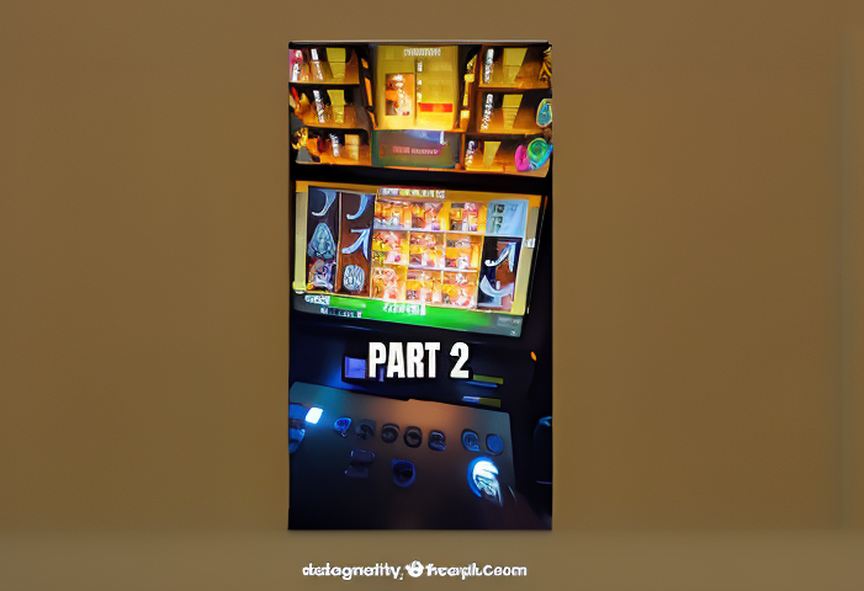
At the hardware level, these cabinets run on a shared local network that coordinates bonus triggers without altering the underlying random number generator. Each machine still spins independently, but the software flags when a player lands a qualifying combination and broadcasts a short invite to adjacent units. The invite usually lasts a few seconds, and the player can tap a button to join the feature round or keep spinning solo. The core maths stays the same, which is the critical bit for anyone who thinks networking changes the odds.
The software stack typically uses a lightweight messaging protocol over the venue’s internal LAN. When a trigger hits, the host machine sends a packet with a session ID, and nearby cabinets respond if their players opt in. The round then runs on a shared timer, with each participant’s results calculated separately before the display merges the outcomes on a communal screen. It’s a bit like a group challenge that runs in parallel, not a pooled bet where one result decides for everyone.
If a cabinet’s player is currently in a session, the display updates instantly to reflect the new trigger state. This seamless interaction is a hallmark of the immersive setups deployed by Skycity Entertainment Group. Operators can monitor the handshake logs to ensure latency remains within acceptable limits for the audience.
Venue staff see the practical upside quickly. A networked feature can pull a small cluster of players together, which helps floor managers balance traffic across busy periods. Instead of one machine sitting quiet while another draws a queue, the social cue spreads attention more evenly. That matters on a packed Friday night when every seat counts and the goal is to keep the room moving without sacrificing the feel of a proper casino session.
Why the social angle resonates on Aussie floors
Australians are already used to group dynamics around sport and pub culture, so a shared pokies round taps into a familiar rhythm. When a bonus kicks off and the screens light up across a row, it feels less like a solitary grind and more like a moment you can nudge your mate about. The vibe is closer to a watch party than a quiet solo session, and that shift in atmosphere is a big part of why venues are investing in the feature.
The psychology is straightforward. Shared wins get talked about, and talk keeps people seated longer. A player who joins a networked round often stays for the next cycle because the group momentum carries through. That doesn’t guarantee longer spend, but it does change the pattern of engagement, with more back-and-forth between features and regular spins. Operators track this through session length and return visits, not just immediate turnover.
There’s also the simple matter of floor energy. A row of machines firing bonus cues in sequence creates a ripple that draws eyes from across the room. New players notice the activity and often drift over, which helps venues fill gaps during slower stretches. The effect is modest but real, especially in mid-sized rooms where a single busy cluster can change the whole feel of the space.
The music and sound design behind the engagement
Sound plays a bigger role than most punters realise. Many pokies use a musical key, often around C major, tuned to feel rewarding without becoming grating over long sessions. The scale is bright and familiar, which helps the brain register a win as a positive event even when the payout is small. It’s a subtle design choice, but it stacks up over hours of play because the ear stops fighting the noise and starts leaning into it.
Multiplayer modes lean on that same audio logic, but they add a layer of coordination. When a networked round starts, the machines often sync their cue tones so the group hears a unified signal rather than a scatter of unrelated sounds. That shared cue reinforces the sense that something is happening together, which is exactly what the feature is meant to do. The result is a cleaner audio footprint that feels intentional instead of chaotic.wild spin slot
Design teams tune these elements carefully because overdoing the sound can backfire. A room that’s too loud drives people away, while a room that’s too flat feels dead. The sweet spot is a soundtrack that marks milestones without shouting, and C major is a common starting point because it sits comfortably between excitement and ease. You can hear the difference when you walk past a well-run floor versus one where every machine is fighting for attention.
Regulatory guardrails and responsible play
Australia’s regulatory landscape treats networked features as an extension of existing machine rules, not a separate product class. State and territory legislation already covers payout structures, display requirements, and access controls, so multiplayer layers have to fit within those boundaries. The key point is that the underlying game maths and return-to-player parameters stay locked, and the social component can’t be used to mask how the machine actually pays.
Operators also have to manage the risk of peer pressure creeping into a shared round. A networked invite should feel optional, and the interface needs to make it clear that joining doesn’t change the odds or commit the player to extra spend. That’s where responsible play settings come in, with session reminders, loss limits, and clear exit paths that work the same way whether the machine is running solo or in a group mode.
The nuance matters because social features can make a session feel lighter than it is. A fun group round can blur the line between entertainment and extended play, so venues and providers build in guardrails that keep the experience transparent. The aim is to preserve the buzz without letting the social layer become a distraction from the basics of bankroll management and time limits.
For those watching their budget, these safeguards help prevent unexpected costs from adding up. You can see how players discuss managing entertainment expenses on a budget-conscious forum. Ultimately, knowing the rules lets you enjoy the moment without worrying about the tab.
What the data says about session length and dwell
Analytics teams are watching how multiplayer modes affect dwell time and repeat visits. Adam Ryan, Product Analytics Lead, Banksia Betting Partners, notes that the clearest signal is not a spike in spend per hand but a smoother engagement curve across the session. He puts it this way: “The multiplayer layer tends to flatten the drop-off points, so players stay through the quiet stretches instead of walking off after a dry run.” That pattern matters because it suggests the feature helps maintain interest rather than pushing harder bets.
The data also shows that opt-in rates vary by venue type and time of сайт нашей компании day. Busy weekend floors see higher participation because the social cue fits the crowd energy, while quieter weekday sessions produce more solo play. That split is useful for floor planning, because it tells operators when to emphasise networked machines and when to keep the layout more traditional. The goal is to match the feature to the room, not force it everywhere.
Annika Murray, Risk and Integrity Manager, Oceanic Gaming Strategy, points out that the integrity side is just as important as the engagement side. She says: “The social invite has to stay optional and clearly separated from the game outcome, or you risk blurring the line between fun and pressure.” That stance lines up with how compliant operators approach the feature, keeping the maths untouched and the player’s choices explicit.
Joe Fortune and the competitive landscape
Joe Fortune has positioned itself as one of the leaders of the Australian market by bundling a broad pokies library with local payment options and a interface that feels built for Aussie habits. The brand covers everything from classic three-reel setups to newer video titles, and it has leaned into features that suit shared play without overcomplicating the core experience. That balance is part of why it keeps showing up in comparisons against other domestic operators.
The competitive picture is crowded, with several platforms chasing the same audience through bonus offers, fast withdrawals, and mobile-first design. Joe Fortune’s edge comes from a library that mixes familiar local favourites with newer networked-style features, plus a layout that makes it easy to switch between solo spins and group rounds. That mix matters because Australian punters tend to value variety and speed over flashy gimmicks.
The table below compares Joe Fortune with a couple of other notable operators on the points that matter most for multiplayer-ready gaming.
| Operator | Multiplayer-ready features | Local payment options | Mobile experience | Library breadth |
| Joe Fortune | Networked bonus invites on select titles | PayID and local cards supported | Fast load on mobile browsers | Wide mix of classic and video pokies |
| Competitor A | Limited shared rounds, mostly solo | Standard cards and e-wallets | Adequate but heavier load times | Strong on video titles, lighter on classics |
| Competitor B | Social cues on a small subset | Broad payment list, some slower methods | Smooth on app, mixed on browser | Broad library with several local favourites |
Picking the right multiplayer setup for your session
If you’re looking at a floor or an online lobby with networked features, the first check is whether the invite system is optional and clearly presented. A good setup lets you join a shared round with a single tap and back out just as easily, without any hidden commitment. That transparency is the baseline, because the feature should add a bit of buzz rather than nudge you into a longer session than you planned.
The second check is the sound and visual balance. A row of machines that syncs its cues neatly feels more inviting than one where every screen is blaring a different tone. If the room is too loud or the cues are too aggressive, the social element starts to feel like noise instead of a shared moment. The better setups keep the audio tidy and the visuals clear, so the group round reads as a fun event rather than a sensory overload.
The third check is how the venue or platform handles responsible play settings inside a networked round. Session reminders, loss limits, and easy exit options should work the same way whether you’re spinning solo or joining a group feature. If those controls feel buried or slower to access during a multiplayer round, that’s a sign the feature is prioritising hype over clarity.
- Look for an opt-in flow that is clear, quick, and reversible before you join any shared round.
- Check that the sound cues are synced and not overpowering, so the group moment feels tidy rather than chaotic.
- Confirm that responsible play tools remain easy to reach during a multiplayer session, not hidden behind extra taps.
- Match the feature to the room or lobby vibe, because a busy crowd suits networked play more than a quiet solo session.
- Keep an eye on session length and set your own exit point before the social momentum pulls you further in.
Where the tech is heading next
The next wave of networked pokies is likely to focus on tighter integration with venue traffic systems and smarter cue timing. Instead of broadcasting a generic invite across a whole row, future setups may target nearby players who are already in a feature-friendly state, which would make the social prompt feel more natural and less random. That kind of refinement could lift opt-in rates without making the floor feel gimmicky.
Online and hybrid setups are also pushing in the same direction. Providers are experimenting with shared bonus displays that let remote players see a networked round unfold without pooling bets or changing the maths. The appeal is similar to the floor version: a bit of shared energy that keeps people engaged, with the underlying game staying independent. If the execution stays clean, it could become a standard option across more titles.
The bigger picture is that multiplayer layers are becoming part of the normal toolkit rather than a separate novelty. As venues and platforms refine the balance between social buzz and clear controls, the feature should settle into a familiar role: a way to make a session feel more alive without messing with the fundamentals of how the machine works. That’s the sweet spot operators are chasing, and it lines up with what most punters actually want from a night out.
Leave a Reply